




 20-01-2026
In 2026, analog products and nostalgic details do not represent an escape into the past, but rather an effort to make the future more livable.
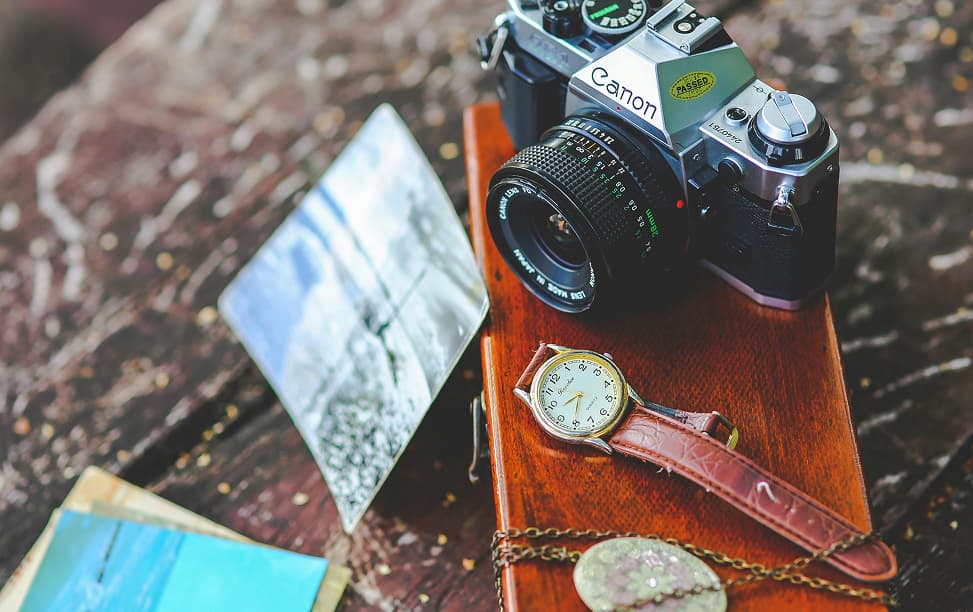
In an era where digitalization has permeated every aspect of life, an unexpected yet powerful counter-movement is emerging: analog products and nostalgic details. From vinyl records to analog cameras, from paper planners to button-based devices, many elements are regaining popularity as we approach 2026. But is this a temporary trend, or a lasting transformation?
Constant notifications, screen addiction, and a culture of speed have created serious digital fatigue, especially in recent years. As 2026 approaches, a significant number of users have started asking the same question: “Does everything really have to be this fast?” Analog experiences offer an alternative to digital overload by providing slowness and focused attention.
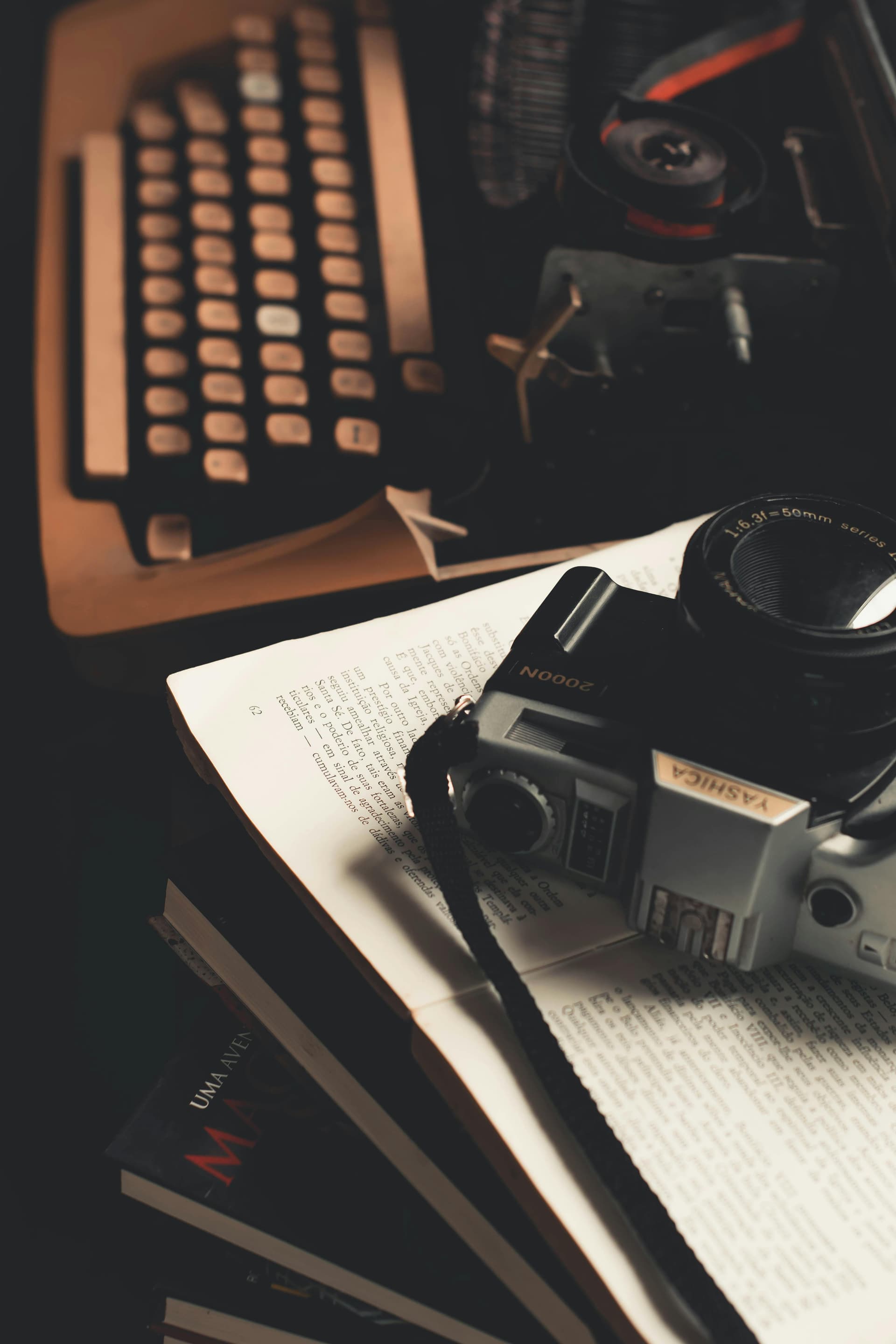
Analog products invite users not to record the moment, but to truly live it.
* Limited frames captured with film cameras
* Handwritten journals and diaries
* A return to physical books and magazines
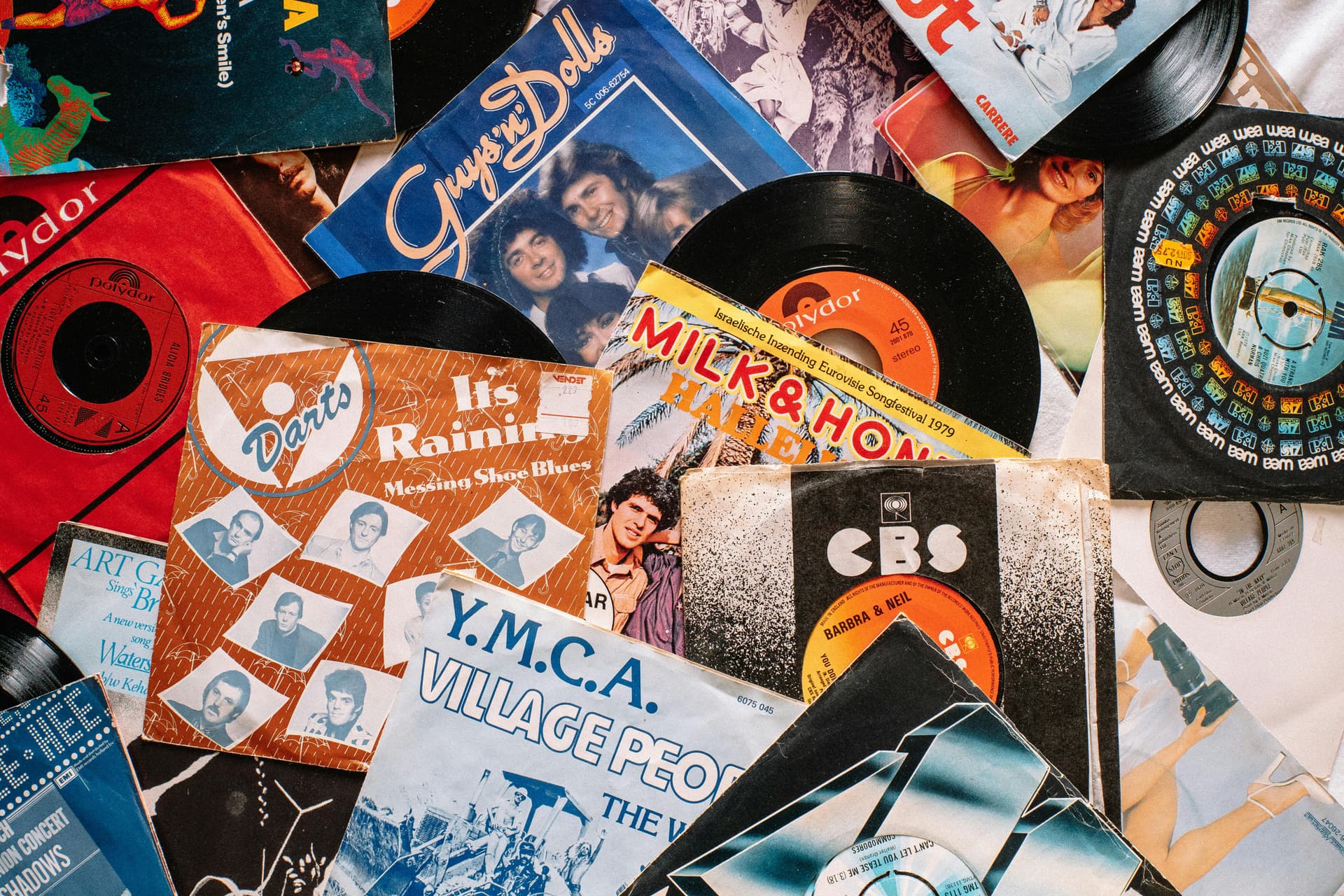
* Vinyl listening rituals
Within 2026 trends, analog is positioned less as nostalgia and more as a conscious lifestyle choice.
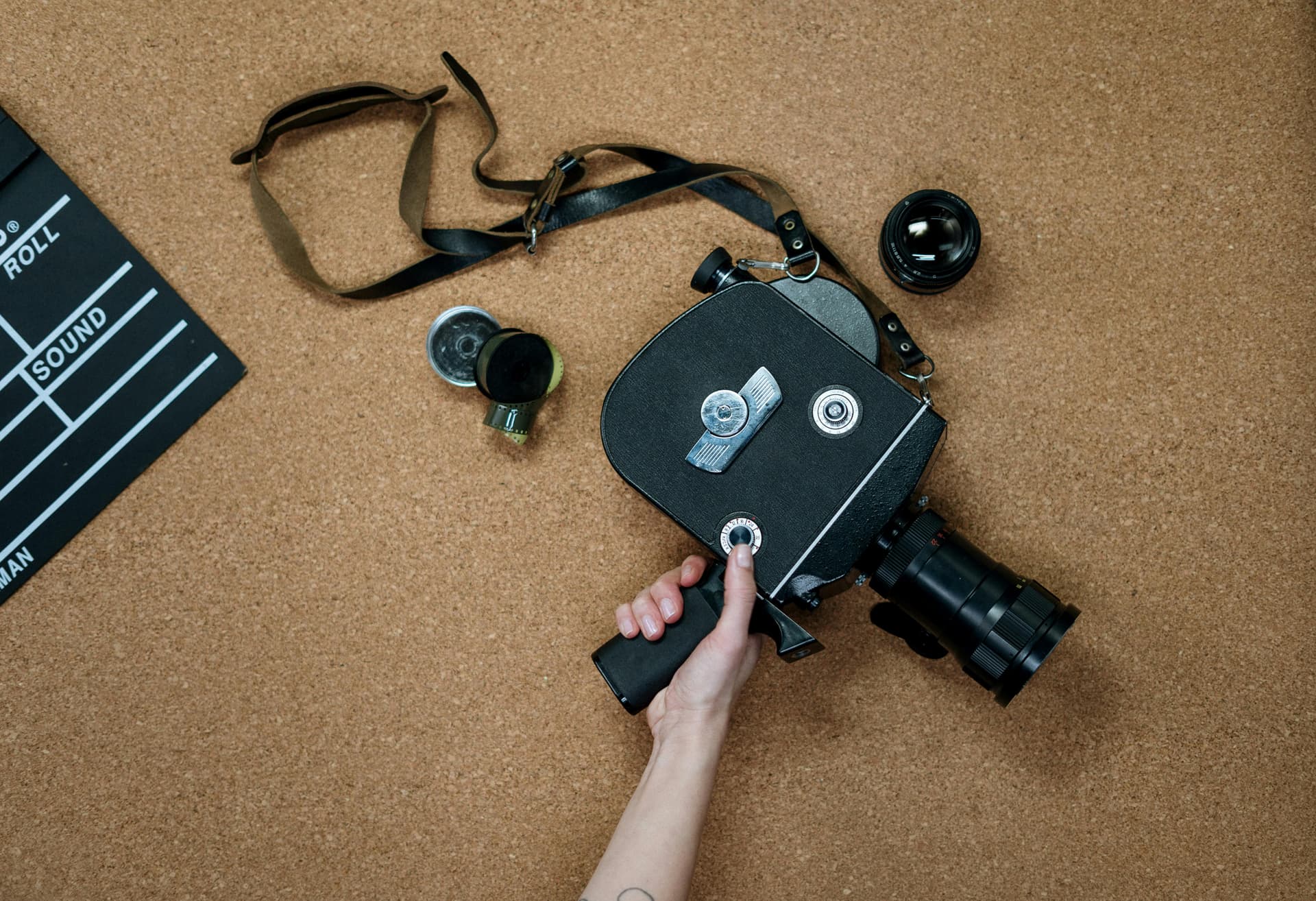
For the new generation, nostalgia is less about personally lived memories and more about aesthetics, emotion, and identity-building. In 2026, nostalgia does not simply replicate the past; it reinterprets it through a contemporary lens.
Analog textures are becoming increasingly visible in fashion and interior design:
* Emphasis on craftsmanship
* Natural fabrics and raw textures
* Aged metal, wood, and ceramic surfaces
* A minimal yet emotionally driven design language
The longing for analog products and nostalgia is also transforming technology itself.
Overly filtered, perfectly polished content is giving way to more natural and raw expressions.
This shift shows that analog aesthetics are finding resonance even within digital platforms.


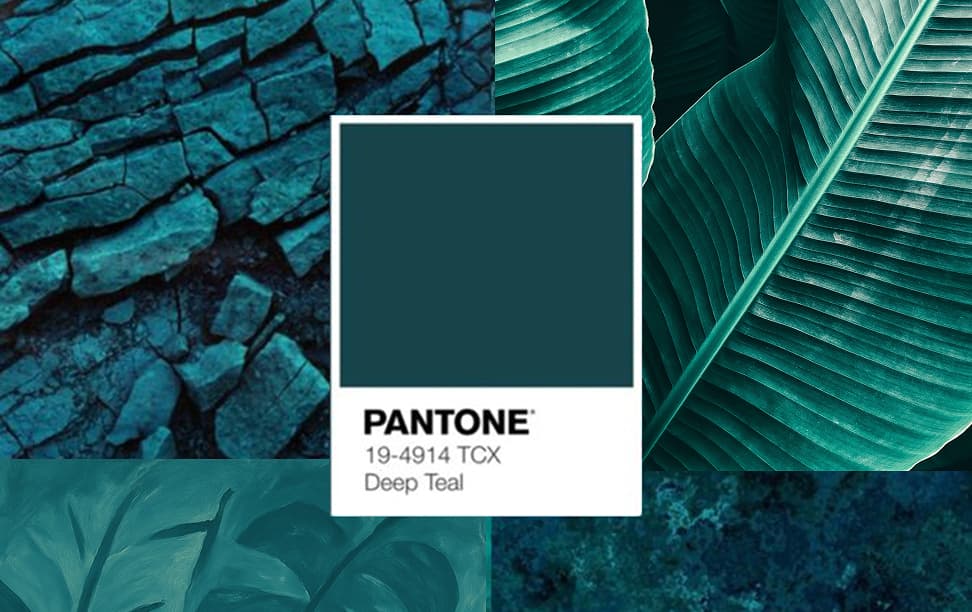
A powerful blue tone that’s set to influence everything from fashion to interior design — creating a completely new atmosphere wherever it appears.
DETAILS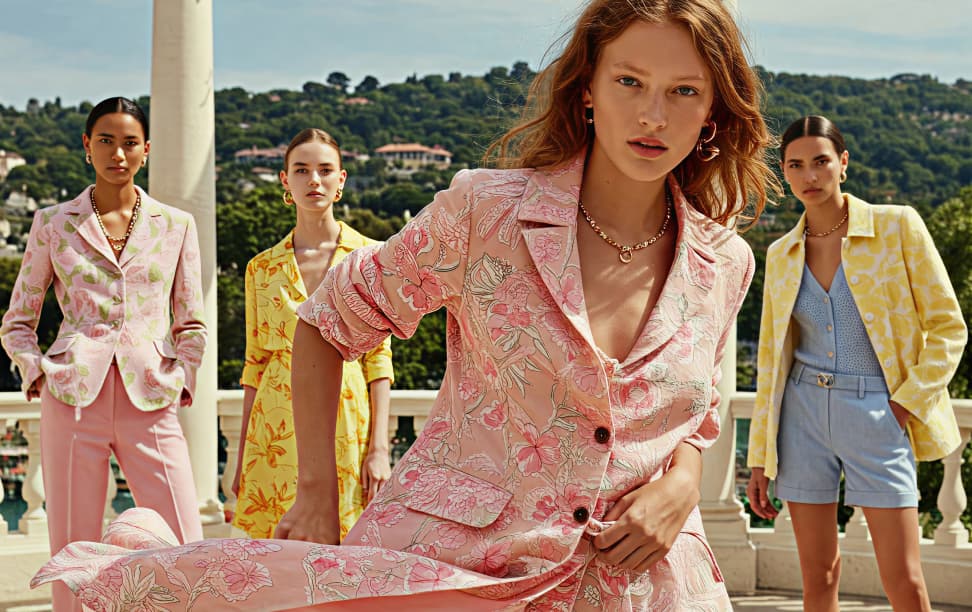
The fashion world is entering 2026 with strong creativity, as always. The year 2026 will be shaped around concepts such as durability, adaptation, and emotional intelligence.
DETAILS